
S01E10 – Systems
Finding the Right System for Your Grow
From hand watering to automated irrigation, there are plenty of ways to get water and nutrients to your plants. The right choice depends on your experience, your grow space and how involved you want to be.
In this episode, Sarah and Jasmine get hands-on with two very different systems. Sarah takes on an Origin drip irrigation system, while Jasmine tackles an IWS Flood & Drain Trident. Ian shares his advice for setting up a system properly and explains why understanding your plants should come before moving on to more advanced methods.
What you’ll learn
This episode covers the next stage of plant development:
- The different ways you can feed and water your plants
- How to choose a system to suit your experience
- The importance of planning your system before installation
- How to make pipework easier to work with
- Why you should always complete a dry run before adding plants
- The difference between simpler and more advanced irrigation systems
Featured Products

Origin Drip Irrigation Systems
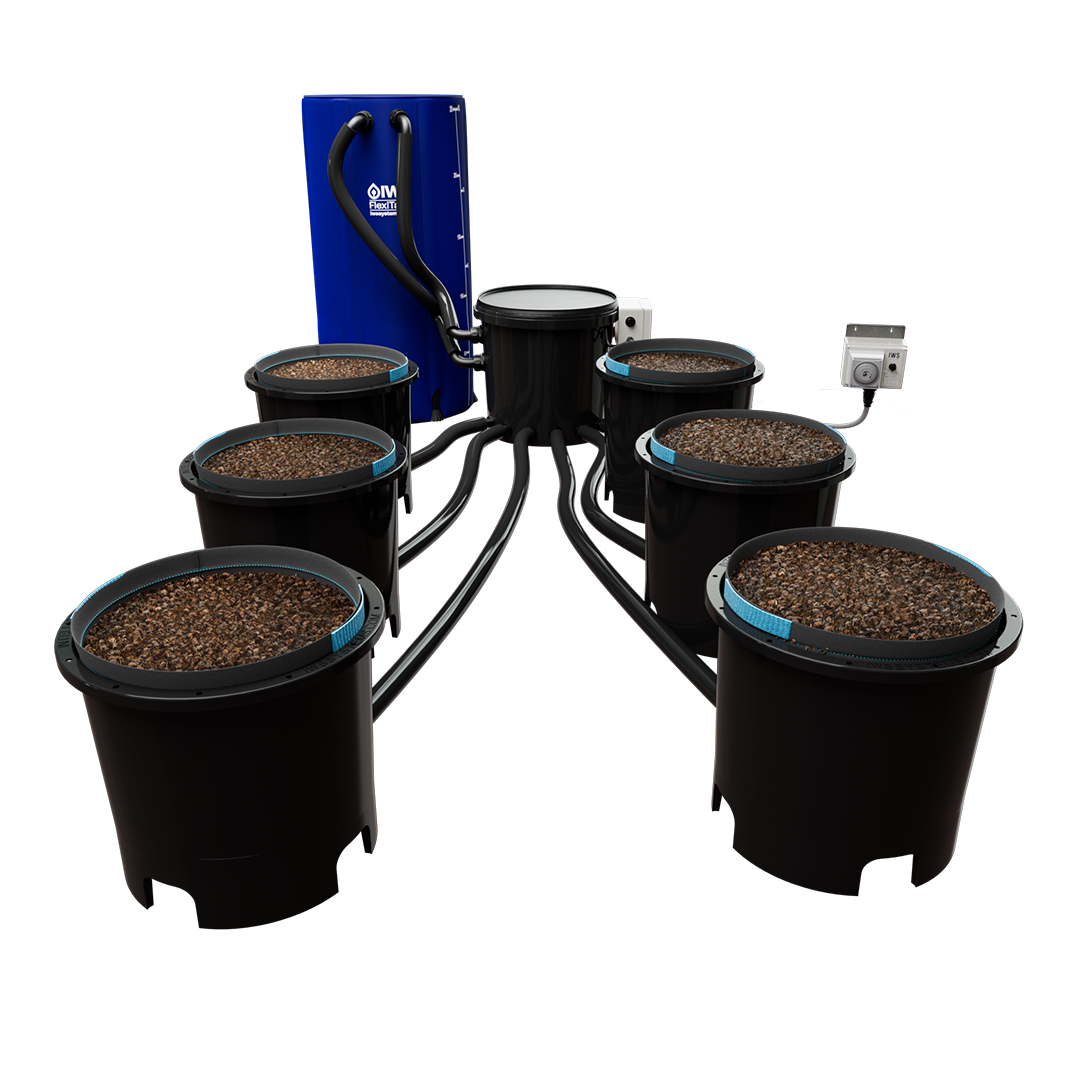
IWS Flood & Drain Trident
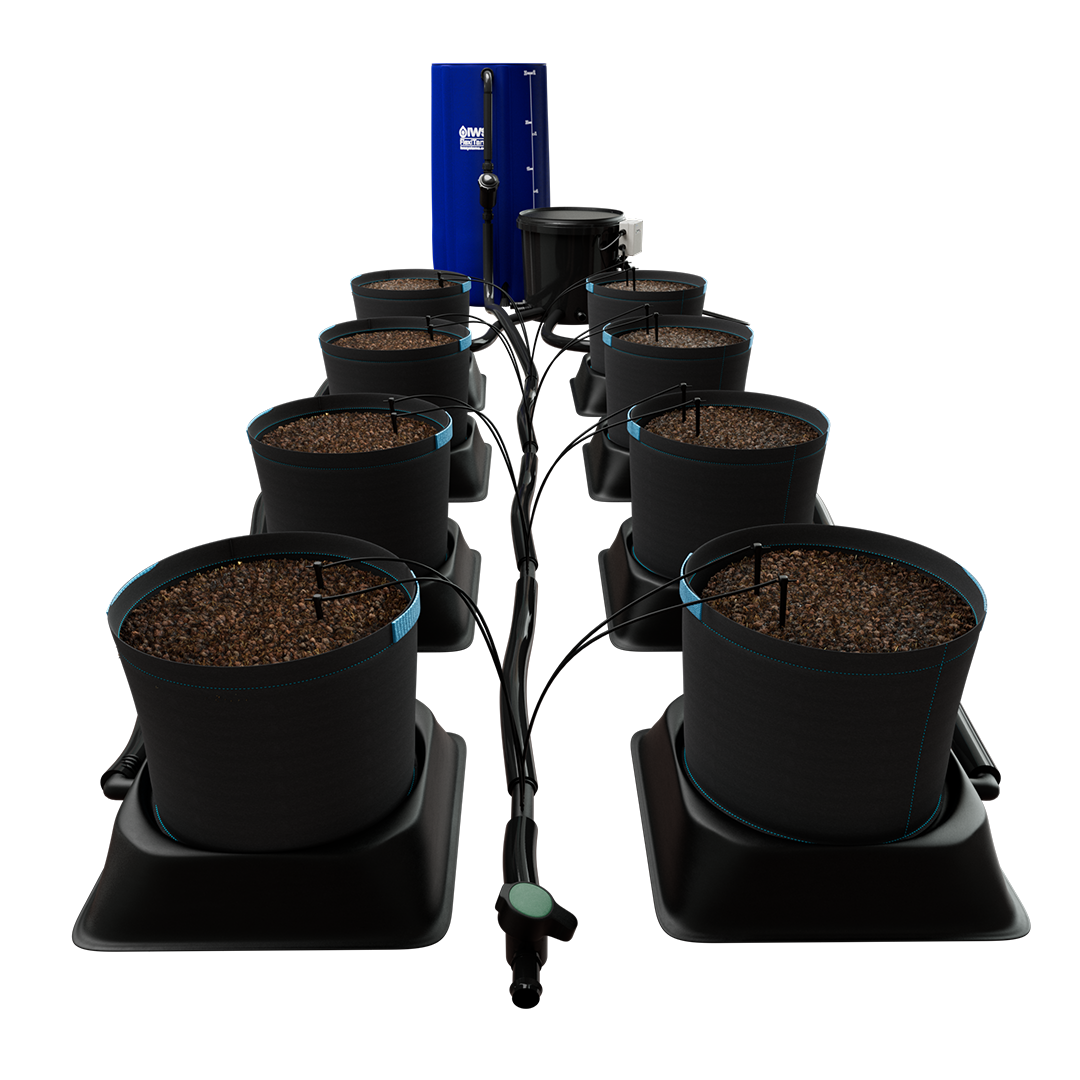
IWS Dripper Pro
Systems Breakdown
There’s no single system that’s right for every grower. Your experience, the amount of time you want to spend in the grow room and the level of control you’re looking for can all influence which approach works best for you.
Ian takes a closer look at the different feeding systems available, explaining how each one works, the pros and cons, and which are better suited to beginners or more experienced growers.
Hand Watering
Simple, hands-on and a great place to start if you’re new to growing. Hand watering gives you the chance to get to know your plants and understand how they respond to feeding.
In this short guide, Ian explains how to manage run-off, how hand watering systems can make the process easier, and why learning the basics manually can help before moving on to automation.
Flood & Drain
An automated feeding system that periodically floods the pots with nutrient solution before draining it back into the reservoir.
In this short guide, Ian explains how flood and drain systems work, the benefits of the flood and drain cycle, how to manage the reservoir, and why this scalable system can reduce time spent manually feeding.
Dripper Systems
A more precise approach to feeding that delivers nutrient solution directly from a reservoir to each individual pot.
In this short guide, Ian explains how dripper systems work, the different types of drippers available, how feeding can be fine-tuned and why this method is better suited to more experienced growers.
DWC
DWC takes growing out of traditional media and puts the roots directly into oxygenated nutrient solution, creating the conditions for substantial root growth.
In this short guide, Ian explains how DWC works, the importance of water temperature and oxygenation, and why keeping on top of EC, pH and your equipment is essential.
NFT
Nutrient Film Technique gives roots direct access to a constantly recirculating supply of water and nutrients, with very little growing media required.
In this short guide, Ian explains how NFT works, why it can produce a large root mass and faster growing cycle, and the extra attention needed to manage EC, pH and water quality.
Passive Feed
A simple way to reduce manual watering without relying on pumps or electrics. Passive systems use gravity and a float valve to replenish nutrient solution as the plant uses it.
In this short guide, Ian explains how passive feeding works, how it creates periods of saturation and dry back, and why it can be a manageable next step for growers moving on from hand watering.
Ian’s Top Tips
Plan Before You Build
Lay everything out before connecting your system. Work out where your pots will sit and make sure you’ve left enough room to move around and access your plants once everything is in place.
Warm Your Pipework
Cold pipe can be difficult to connect to fittings. Ian recommends leaving it in the grow room for around 24 hours before installation and dipping the ends in warm water to make connections easier.
Build From the Tank In
Position your tank, pump and filter outside the grow room before working towards the pots. For a dripper system, you’ll then need a manifold for each pot with two or three dripper lines feeding the growing media.
Get Your Pots Ready
Fill your pots with your chosen growing media, position them on the tray and insert your drippers before testing the system.
Always Do a Dry Run
Test the complete system before introducing your plants. This gives you the chance to spot leaks, connection problems or anything else that needs adjusting.
Add Nutrients Last
Complete your dry run with water before mixing your nutrient solution. Once you know everything is working correctly, you can set your nutrients without wasting them during testing.
The Scoreboard
Sarah may have finished first, but Jasmine had the tougher system to tackle. Successfully getting the IWS Flood & Drain Trident set up earns her the point this episode.

Next up: Media…stay tuned and subscribe on YouTube to follow the series.
Other Episodes
-

S01E01 – Asking the Right Questions
Watch Now -
S01E02 – Propagation
Watch Now -
S01E03 – Potting On
Watch Now -

S01E04 – Tents
Watch Now -
S01E05 – Lighting
Watch Now -

S01E06 – Ventilation
Watch Now -
S01E07 – Sanitisation
Watch Now -

S01E08 – Heat & Humidity
Watch Now -

S01E09 – Controllers
Watch Now -
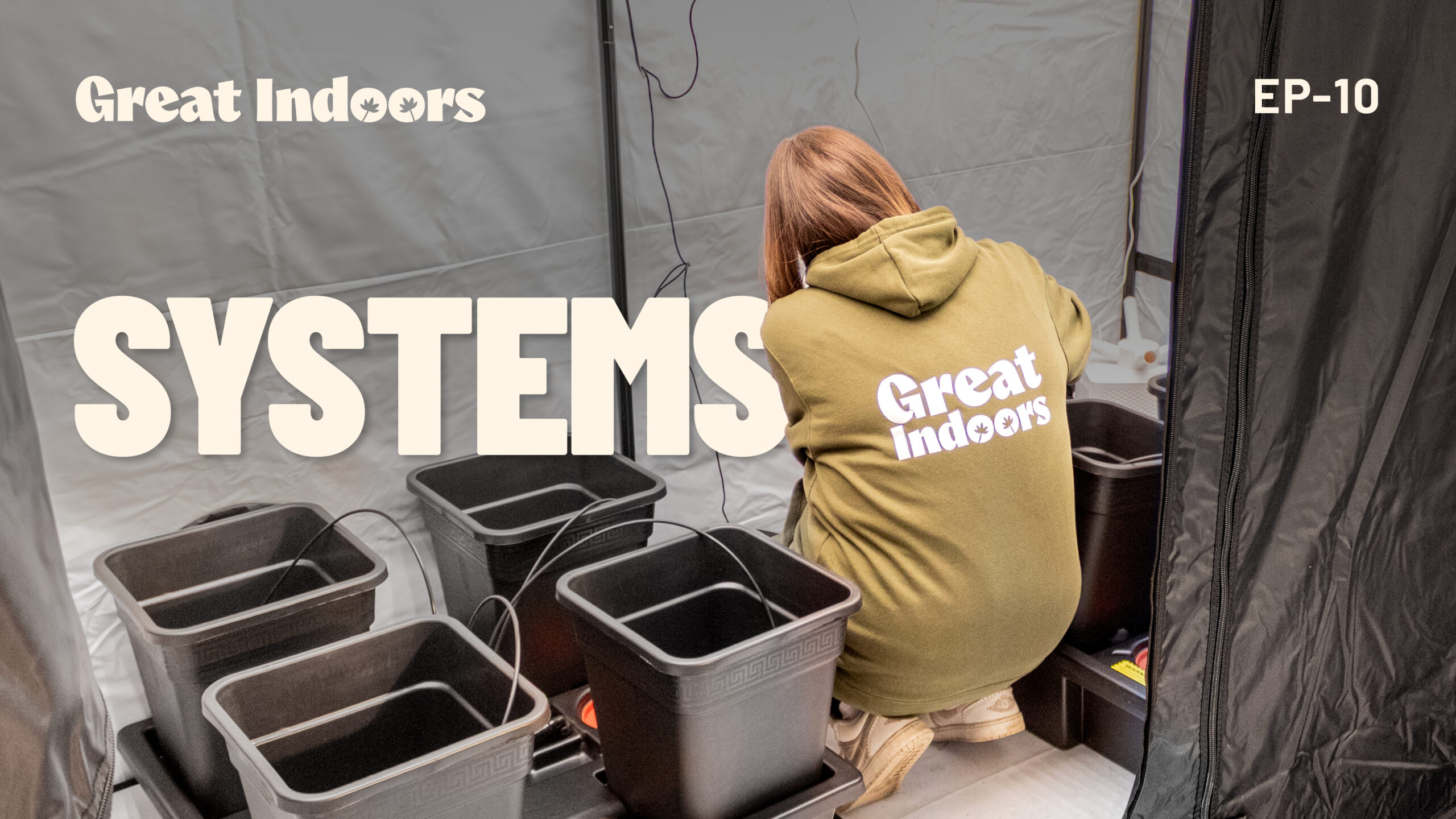
S01E10 – Systems
Watch Now


